Summer Toy Swap: Rotating Seasonal Items
Discover how a summer toy swap can transform your child's play by reducing clutter and increasing engagement. You'll learn which toys to bring out for warm weather and which to store, encouraging more independent and creative play.
- Rotate toys seasonally to boost engagement and reduce clutter.
- Limit available toys to encourage deeper, more creative play.
- Swap in water, outdoor, and nature toys for summer play.
- Store large indoor systems and heavy crafts during warmer months.
- Use the swap to declutter and donate unused items.
Have you ever watched your child walk past a room full of toys, sigh dramatically, and announce that they have nothing to play with? Meanwhile, you’re standing there staring at $500 worth of playthings collecting dust. It’s not that your kid is spoiled—it’s that their brain has habituated to the same stimuli. Toy rotation is a concept borrowed from Montessori classrooms, and it’s stunningly effective at home. By swapping seasonal toys in and out of active play, you reduce clutter, increase engagement, and give summer its own distinct toy identity—just like it has its own distinct wardrobe. The summer toy swap is the seasonal reset your playroom has been begging for.
In this article (6 sections)
The Science Behind Toy Rotation
Research from the University of Toledo found that toddlers in environments with fewer toys engaged in longer, more creative, and higher-quality play compared to children surrounded by an abundance of options. The phenomenon is called the paradox of choice—when kids have too many options, they flit from toy to toy without deeply engaging with any of them.
Toy rotation solves this by limiting the number of available toys at any given time. When a child has access to 10–15 toys instead of 50, they explore each one more thoroughly, invent new ways to play with familiar items, and develop stronger focus and creativity. Then, when you swap in a different set of toys, the returning items feel brand new even though they’ve been in a closet for three months.
The summer swap is particularly powerful because it aligns toys with the season. Water toys, outdoor play equipment, sand toys, and nature exploration kits come out. Indoor-heavy toys like elaborate train sets, large dollhouses, and complex building systems go into storage. This seasonal alignment naturally encourages more outdoor play during the months when your kids should be outside.
Most families who try toy rotation report two things: their kids play more independently, and their homes feel dramatically calmer. Fewer toys out means less visual clutter, faster cleanup, and fewer stepping-on-a-LEGO incidents.
Planning Your Summer Swap: What Comes Out, What Goes In
The summer swap works best when you’re intentional about what stays and what rotates. Think about how your family’s play patterns change in warm weather and curate accordingly.
Bring OUT for Summer:
- Water toys: water table accessories, sprinkler attachments, water guns, pool noodles, and water balloons (biodegradable ones from Bunch O Balloons, $10 at Target)
- Outdoor play: sidewalk chalk, bubble machines (the Gazillion Bubble Rush at $15 is a crowd favorite), kites, badminton sets, and Nerf blasters
- Sand and dirt toys: shovels, molds, dump trucks, sifters—whether for the sandbox, the beach, or just digging in the yard
- Nature exploration: bug catchers, magnifying glasses, binoculars, the National Geographic Mega Fossil Dig Kit ($20 at Target), and field guides
- Travel-friendly toys: compact games, travel art kits, road trip activity packs for summer vacations
Put AWAY for Summer:
- Large indoor play systems: elaborate train tracks, big dollhouses, indoor climbing structures
- Heavy craft supplies: perler beads, elaborate paint sets, clay projects (save these for rainy indoor days)
- Seasonal toys: anything winter or holiday themed
- Toys they’ve lost interest in: this is the perfect time to quietly donate items they haven’t touched in months
How to Execute the Swap: A Step-by-Step System
The actual swap takes about 60–90 minutes. Do it the weekend before summer break starts, and make it an event rather than a chore. Put on music, involve the kids, and frame it as “opening the summer toy box.”
Step 1: Clear the Playroom. Remove every toy from shelves, bins, and floor. Wipe down all surfaces—shelves accumulate surprising amounts of dust over a season. Vacuum or sweep the playroom floor.
Step 2: Sort the Outgoing Toys. As you remove toys, sort them into three groups: Store (going into rotation storage for fall), Donate (outgrown or ignored), and Toss (broken, missing pieces, or dried-out art supplies). Be strategic here—the donate pile should include anything that hasn’t been touched in 3+ months. Kids rarely notice items leaving during a swap because they’re focused on what’s arriving.
Step 3: Retrieve the Summer Bin. Pull out the labeled summer toy bin(s) from storage. Use Sterilite 66-quart ClearView boxes ($10 at Walmart) so you can see contents without opening every lid. Label them clearly: “Summer Toys – Outdoor,” “Summer Toys – Water,” “Summer Toys – Indoor.”
Step 4: Curate and Display. Don’t dump everything out at once. Select 10–15 items per child and arrange them intentionally on shelves and in bins. Face toys outward, leave breathing room between items, and think about what invites play. A single truck placed on an empty shelf is more inviting than 12 trucks crammed in a bin.
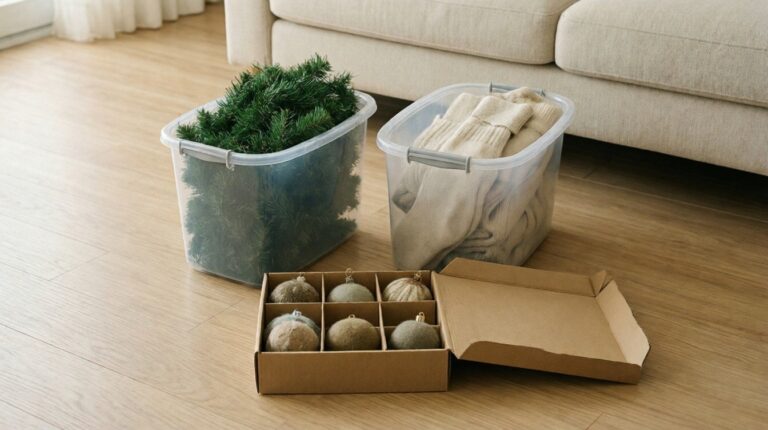
Step 5: Pack and Store the Off-Season Toys. Place outgoing toys in labeled bins and store them in the closet, garage, or attic. Make sure bins are sealed to protect from dust and humidity.
Mid-Summer Refresh: Keeping the Magic Going
The initial swap creates excitement for a few weeks, but around mid-July, that novelty can wear off. Plan a mid-summer mini-refresh to sustain engagement through August.
The mid-summer refresh isn’t a full swap—it’s a partial rotation. Pull out 4–6 items from storage that weren’t part of the initial summer set and replace 4–6 items that have been out since June. This 15-minute swap re-energizes the playroom without the effort of a full cleanout.
Timing the refresh around a specific trigger works well: after returning from summer vacation (when kids are bored and missing the excitement), during the inevitable mid-summer heat wave when everyone is stuck inside, or as a reward for a solid week of keeping the playroom tidy.
Another mid-summer strategy: the mystery box. Take 3–4 toys from storage, wrap them in brown paper or put them in a bag, and let each child unwrap one per day over the course of a week. It feels like a gift, costs nothing, and stretches the novelty over several days instead of burning through it in an afternoon.
Some families also introduce one or two new summer-specific purchases at the mid-summer mark. A new set of Melissa & Doug outdoor toys ($15–25), a Stomp Rocket ($15 at Target), or a Crayola Washable Chalk set ($6) can inject fresh energy without breaking the budget. The key is one or two items, not a shopping spree.
Storage Solutions for Off-Season Toys
Your rotation system is only as good as your storage system. Off-season toys need a dedicated, organized home—otherwise the “rotated out” toys end up in random bags throughout the house, and the whole system collapses.
Designate one specific area for rotation storage: a closet shelf, a section of the garage, or under a guest bed. Use uniform bins—matching bins stack more efficiently and look more organized. The IRIS USA 53-quart Stack & Pull Box ($12 each at Target) has a front opening so you can pull items out without unstacking, which is incredibly practical for rotation swaps.
Label bins by season, not by toy type. “Fall/Winter Toys,” “Spring Toys,” and “Summer Toys” are clearer categories than “Action Figures” or “Dolls,” because the goal is seasonal swapping, not category storage. If a toy transcends seasons (basic blocks, art supplies, books), it stays out year-round and doesn’t go into rotation.
Keep an inventory list inside each bin or taped to the lid. A simple handwritten or printed list of contents saves you from opening five bins to find the bubble machine. Update the list during each swap.
For families with multiple children, you can store individually (each child has their own rotation bin) or communally (all summer toys in one bin). Individual bins work better if your kids have very different interests; communal bins work better if toys are largely shared.
Getting Kids on Board and Building the Habit
The biggest hurdle with toy rotation isn’t logistics—it’s buy-in. Some children resist having toys taken away, even temporarily. The framing matters enormously.
Never frame rotation as punishment or taking things away. Instead, use language like: “We’re giving these toys a rest so they’ll be exciting when they come back” or “Let’s set up your summer playroom!” Focus on what’s coming out, not what’s going in. The excitement of the “new” summer toys quickly overwhelms any reluctance about the departing ones.
Let kids have input. Allow each child to choose 2–3 items that are “always toys”—toys that never rotate out because they’re genuinely beloved. A comfort stuffed animal, a favorite set of blocks, or a go-to creative toy should stay accessible year-round. Respecting these choices builds trust in the system.
After two or three successful swaps, kids not only accept the system—they look forward to it. The seasonal swap becomes a marker of time passing, like decorating for holidays or switching to summer clothes. It’s a ritual that says: a new season is here, and we’re going to make the most of it.
The best part? By the time fall rolls around and you pull out those stored toys, your child will greet them like long-lost friends. Those same toys they were bored of in May will feel thrilling in September. And your playroom—calm, curated, and clutter-free—will feel like the intentional, beautiful space you always wanted it to be.
Neutral Nina
Neutral Nina is an interior design enthusiast and mom of three who proves that beautiful, organized spaces and family life can coexist. She shares practical strategies for creating calm, functional homes that work for kids and grown-ups alike.