Shared Kids Room Ideas: Making It Work for Siblings
Shared Kids Room Ideas: Making It Work for Siblings
Whether by choice or necessity, siblings sharing a room is more common than ever. And while Pinterest makes it look effortlessly charming, the reality involves negotiations over territory, sleep schedule conflicts, and the eternal question of where to put everyone’s stuff.
But shared rooms can actually be wonderful—for your kids and your family. Siblings who share a room often develop closer bonds, learn valuable conflict resolution skills, and create childhood memories of late-night giggles and whispered secrets.
Here’s how to design a shared room that works for everyone.
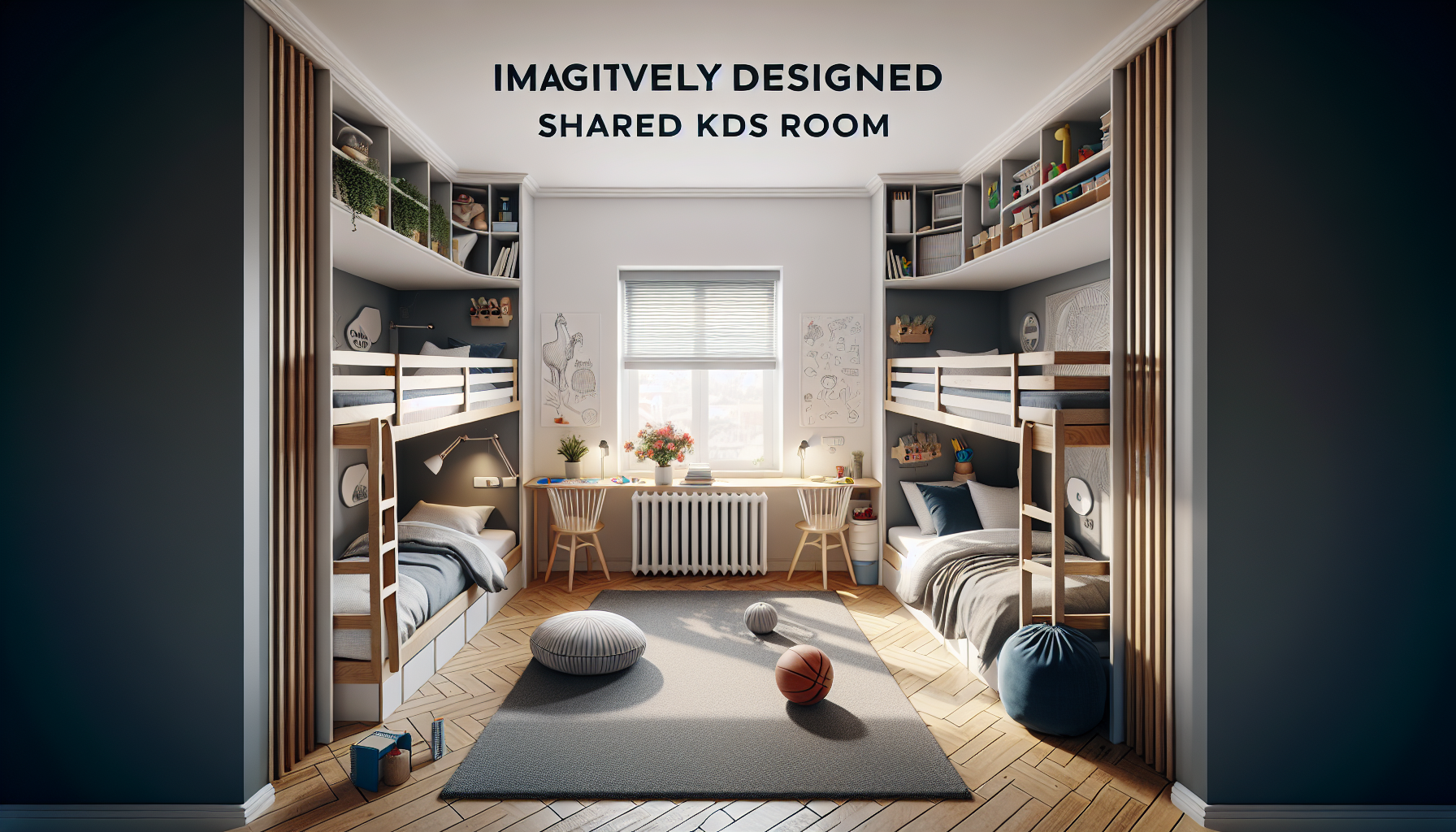
[Image placeholder: Beautiful shared kids room with two beds and cohesive design]
The Foundation: Making Peace Before Decorating
Before you choose paint colors or shop for beds, address the fundamentals that make or break a shared room.
Questions to Answer First
Sleep schedules:
- Do both kids go to bed at the same time?
- Who wakes up first?
- Is one child a light sleeper?
Personal space needs:
- How much alone time does each child need?
- Are there territorial issues already?
- What belongings are “shared” vs. “mine”?
Age and stage:
- How long will this configuration last?
- What changes are coming (potty training, school, etc.)?
- Do developmental stages conflict?
Space reality:
- How big is the room?
- What storage exists?
- Can you add built-ins or is it rentals/temporary?
The Conversation with Kids
If kids are old enough, involve them:
- What do they want in the room?
- What are their concerns?
- What are they willing to share?
- What must be “theirs alone”?
Buy-in from kids makes everything easier.
Bed Configuration Options
The bed situation is the biggest decision. Choose based on your space, kids’ ages, and personal preferences.
Bunk Beds
Best for: Smaller rooms, siblings 4+ years old, kids who want verticality
Pros:
- Maximum floor space
- Kids usually love them
- Clear “mine” territories
Cons:
- Difficult to change sheets on top bunk
- Safety concerns for young children (top bunk)
- Limits headroom for top sleeper
Safety notes:
- Top bunk only for kids 6+ (AAP recommendation)
- Guardrails on all open sides
- Sturdy construction, no wobbly frames
[SHOP THE LOOK]
- Classic wood bunk bed: $300-600
- Twin over full bunk: $400-800
- Modern metal bunk: $200-400
- Premium brand bunk: $800-2000
Twin Beds (Side by Side)
Best for: Larger rooms, younger siblings, rooms with multiple windows
Pros:
- Easy bed-making and access
- No age restrictions
- Can separate if needed later
Cons:
- Takes more floor space
- Less visual definition of “my side”
Layouts:
- Parallel (traditional look)
- L-shaped (head-to-head in corner)
- End-to-end along one wall
Twin Beds (Corner Arrangement)
Best for: Square rooms, creating play space
Pros:
- Defined sleeping zones
- Maximum floor play space in center
- Works with room traffic flow
[Image placeholder: Twin beds arranged in L-shape with shared nightstand]
Trundle Beds
Best for: Occasional sharing, multi-use rooms, small spaces
Pros:
- Second bed tucks away during day
- Maximum floor space when not sleeping
- Good for transition periods
Cons:
- Less “permanent” feeling
- One child always on lower, less stable surface
- Rolling out/away daily
Triple Arrangements
For families with three (or more) kids sharing:
- Triple bunk beds
- Two bunks + one twin
- Two twins + one trundle
- Lofted beds with sleeping space below
Creating Distinct Spaces
Even in a shared room, each child needs space that feels like “theirs.”
Visual Territory Markers
Different bedding: Same color scheme, different patterns or accent colors
Personalized wall art: Name signs, initial letters, individual photos
Dedicated wall space: Each child gets one wall section to personalize
Color coding: Subtle—each child’s “color” appears in their bedding, lamp, rug
Physical Boundaries
Curtains or canopies: Around each bed for privacy
Bookshelf dividers: Open shelving that divides without blocking light
Rugs: Different rug under each bed/area
Furniture placement: Desk, chair, or storage creates visual breaks
Separate Storage
Non-negotiable: Each child needs their own:
- Drawer space
- Closet section (use dividers)
- Desk or workspace if applicable
- Display shelf for treasures
Shared storage works for:
- Books (shared library)
- Board games
- Dress-up clothes
- Art supplies (with some individual items)
Storage Solutions for Shared Rooms
Storage becomes more critical when two (or more) kids share. Every item needs a clear home.
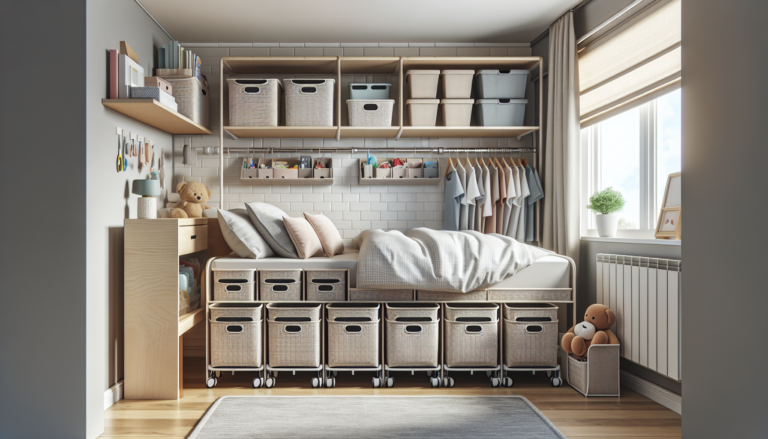
Under-Bed Storage
Maximize vertical space:
- Rolling drawers or bins
- Built-in drawers (some beds include these)
- Vacuum bags for out-of-season clothes
- IKEA Trofast bins or similar
Closet Sharing
Divide the closet:
- Top rod: one child / Bottom rod: other child
- Left side / Right side split
- One full section each with vertical divider
Double rods: Add a second rod lower for smaller clothes
Door storage: Hanging organizers for shoes, accessories
Vertical Storage
Rooms with two kids need to go UP:
- Tall dressers (anchor to wall!)
- Over-door hooks and organizers
- Floating shelves at different heights
- Pegboard systems
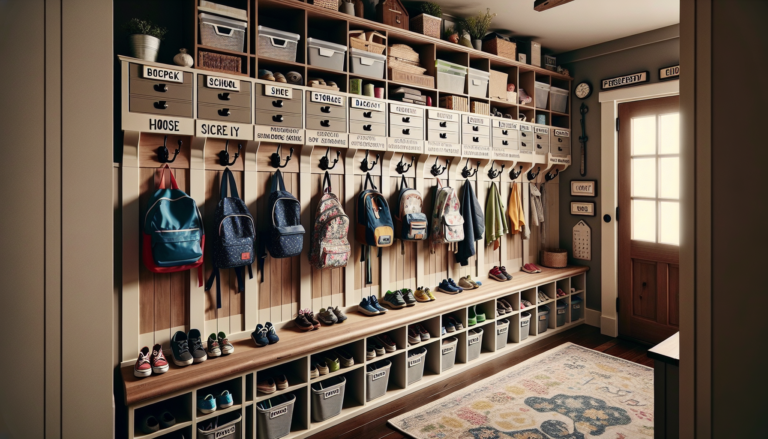
Labeling and Systems
Clear ownership prevents conflicts:
- Name labels on drawers and bins
- Color-coded hangers or bins
- Picture labels for young non-readers
- Clear expectations about shared vs. personal items
[Image placeholder: Well-organized closet divided for two children]
Design Cohesion with Individuality
The room should feel unified, not like two separate rooms crammed together.
Creating Visual Cohesion
Same color palette: Both sides use same 3-4 colors, in different proportions
Matching bedframes: Same style bed, even if different colors
Consistent style: Don’t mix princess and industrial; find middle ground
Shared elements: One rug, one overhead light, matching curtains
Allowing Individual Expression
Bedding choices: Within color scheme, each picks their own pattern
Wall space: Each child controls their section
Accent items: Lamps, pillows, or rugs in their favorite color
Display areas: Personal shelves for treasures and collectibles
Theme Considerations
Shared themes that work:
- Nature (forest, ocean, space)
- Animals
- Colors (rainbow, neutrals)
- Adventure/travel
Avoid: Themes only one child loves, character themes (change too fast)
Managing Sleep Challenges
Sleep is often the biggest shared room concern.
Different Bedtimes
Options:
- Earlier child falls asleep first, then second enters quietly
- Both go to bed same time, earlier sleeper reads or listens to audiobook
- One child starts in parent’s room, transfers after falling asleep
- Accept they’ll fall asleep around the same time anyway (often happens)
Light Sleepers
Solutions:
- White noise machine (masks small sounds)
- Blackout curtains
- Bed canopy or curtains for the light sleeper
- Earlier discussion about quiet expectations
Naptime (When Only One Naps)
- Non-napper plays elsewhere during nap
- Non-napper does quiet activities in room
- White noise to mask household sounds
- Accept naps may shorten in shared room (often okay)
Night Waking
Plan for:
- One child waking the other (white noise helps)
- Nightmares (quick parental response minimizes disruption)
- Bathroom trips (nightlight in route)
Room Layout Strategies
Symmetric Layout
Both sides mirror each other:
- Matching beds on opposite walls
- Matching storage
- Shared elements in center
Pros: Fair, visually calm
Cons: Needs larger room, can feel boring
Zone Layout
Room divided into zones:
- Sleep zone (beds together)
- Play zone
- Work/study zone
- Storage zone
Pros: Efficient use of space, clear purposes
Cons: Less personal territory
Cozy Nook Layout
Create built-in feeling:
- Beds in alcoves or separated by furniture
- Each bed area feels like a cozy nook
- More enclosed, private sleeping
Pros: Privacy, cozy feel
Cons: Less flexible, needs specific architecture or DIY
FAQ
At what age can siblings share a room?
Any age! The AAP has recommendations about safe sleep for infants, but siblings can share from early ages. Opposite-sex siblings may eventually want separate spaces (often around puberty).
How do I handle one child who’s messy and one who’s neat?
Create clear territories and hold each child responsible only for their space. The neat child learns tolerance; the messy child learns boundaries.
What if they keep talking instead of sleeping?
Normal! Set expectations, use consequences if needed, but recognize bonding value of sibling nighttime chats. Most settle into good patterns.
Should I separate them if they’re fighting constantly?
First, try addressing the root issues. But yes, if sharing is causing significant conflict and you have the option, separation might be right for your family.
Conclusion
A shared kids room can be beautiful, functional, and a positive experience for your children. The keys are clear territorial boundaries, adequate storage, sleep management strategies, and design that feels cohesive while honoring individuality.
Start with the basics—beds and storage—and build from there. And remember: those sibling bonds formed during late-night whispered conversations are priceless.
Related: Small Nursery Ideas